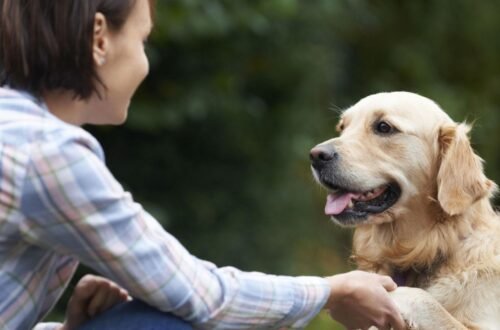
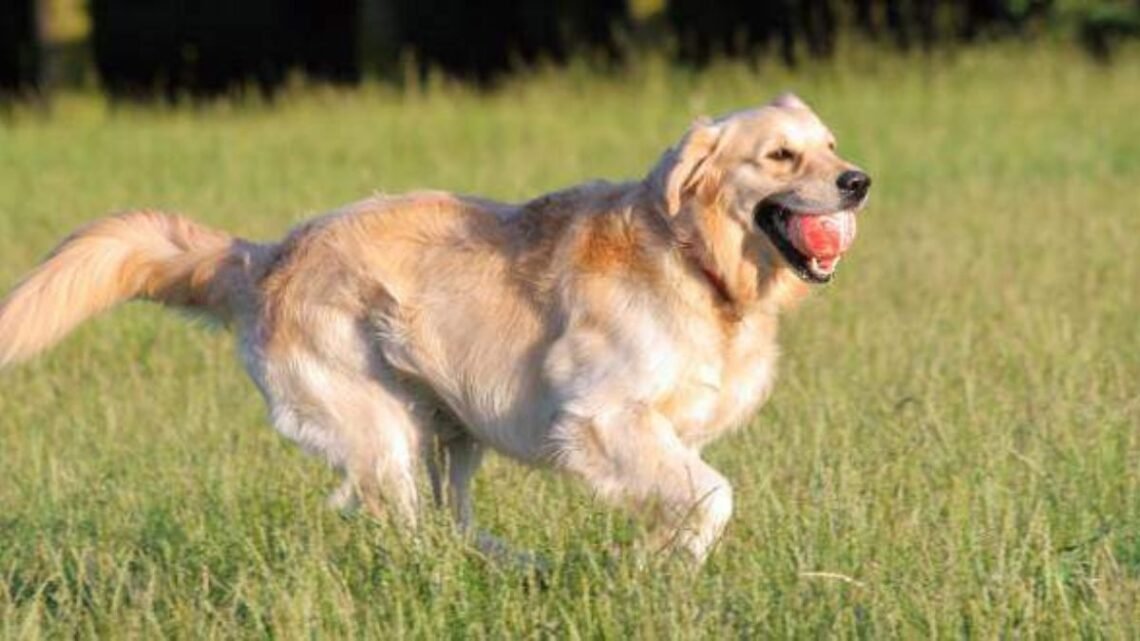
Bringing home a Golden Retriever puppy feels exciting. Their soft fur, playful eyes, and loving nature can easily make anyone fall in love. Golden Retrievers are known for being friendly, smart, loyal, and great with families. But even this sweet breed needs the right guidance from the beginning.
The biggest mistake many new owners make is simple: they wait too long to start training and socialization. Some people think, “He is just a puppy. I will train him later.” But later often becomes harder. A Golden Retriever puppy grows fast, learns habits quickly, and needs structure from the first few days at home.
The Biggest Mistake: Waiting Too Long to Train and Socialize
The most common Golden Retriever puppy mistake is treating bad habits as “cute puppy behavior” for too long. Jumping, biting hands, chewing shoes, pulling on the leash, barking for attention, and ignoring commands may look harmless when the puppy is small.
But a Golden Retriever does not stay tiny forever. That cute puppy can become a strong, energetic adult dog. If you do not teach good behavior early, those small habits can become big problems.
Golden Retrievers are intelligent and eager to please, but they still need clear rules. The American Kennel Club says Golden Retriever puppy training should begin early, including puppy kindergarten and basic obedience, because the breed is trainable and benefits from structured learning.
Why Early Training Matters So Much
A Golden Retriever puppy learns every day, even when you are not officially training. If you allow jumping today, the puppy learns jumping gets attention. If you allow biting during play, the puppy learns hands are toys. If you allow begging at the table, the puppy learns food comes from people’s plates.
Early training helps your puppy understand what is allowed and what is not allowed. It also builds trust between you and your dog.
Training does not mean being harsh. Golden Retrievers respond best to patience, praise, treats, and positive reinforcement. Short training sessions are better than long, boring ones.
Golden Retriever Puppy Mistakes and Better Solutions
| Common Mistake | Why It Becomes a Problem | Better Solution |
|---|---|---|
| Waiting months to train | Bad habits become harder to fix | Start basic training from day one |
| Skipping socialization | Puppy may become fearful or nervous | Introduce safe people, places, sounds, and experiences |
| Allowing jumping | Cute puppy jumping becomes dangerous adult jumping | Reward calm greetings |
| Letting puppy bite hands | Puppy may continue rough mouthy behavior | Redirect to chew toys |
| Not crate training properly | Puppy may struggle with alone time | Make the crate calm and positive |
| Too little exercise | Puppy becomes restless and destructive | Give short play sessions and safe walks |
| No routine | Puppy gets confused | Keep regular feeding, potty, sleep, and training times |
Socialization Is Not Optional
Many owners think socialization only means letting a puppy meet other dogs. But real puppy socialization means much more. It includes safe exposure to different people, sounds, surfaces, places, objects, and daily situations.
Your Golden Retriever puppy should slowly learn that the world is safe. This can include hearing traffic, seeing bicycles, meeting calm people, walking on different surfaces, hearing doorbells, seeing umbrellas, and visiting pet-friendly places.
The American Veterinary Society of Animal Behavior says the most important time for puppy socialization is during the first three months of life, and puppies should be exposed safely to new people, animals, environments, and stimuli without overwhelming them.
But What About Vaccinations?
Many new owners avoid all socialization until the puppy is fully vaccinated. It is important to protect your puppy from disease, but complete isolation can also create behavior problems.
The safer approach is controlled socialization. Avoid unsafe places like dirty dog parks, unknown dogs, and areas with high disease risk. Instead, use safe puppy classes, car rides, carrying your puppy in public, visits with vaccinated friendly dogs, and controlled home introductions.
AVSAB states that puppies can start socialization classes as early as 7 to 8 weeks when disease risk is minimized, and early socialization before full vaccination can be part of standard care.
How to Start Training Your Golden Retriever Puppy
Start with simple commands and repeat them daily. Keep sessions short, happy, and easy.
Best First Commands
| Command | Why It Helps |
|---|---|
| Sit | Teaches calm behavior |
| Come | Helps with safety and recall |
| Stay | Builds patience |
| Leave it | Stops puppy from grabbing unsafe things |
| Drop it | Helps with toys, shoes, and stolen items |
| Down | Teaches relaxation |
| Name response | Helps your puppy focus on you |
You do not need to train for one hour at a time. Just 5 to 10 minutes, two or three times a day, can make a big difference.
Don’t Let Biting Become a Habit
Puppy biting is normal, but that does not mean you should ignore it. Golden Retriever puppies explore with their mouths. They may bite hands, clothes, slippers, and furniture.
When your puppy bites, do not shout or hit. Instead, calmly redirect the puppy to a chew toy. If the biting continues, stop play for a short time. This teaches your puppy that biting ends the fun.
Give safe chew toys because puppies need something to chew, especially during teething.
Exercise Is Important, But Don’t Overdo It
Golden Retrievers are active dogs, but puppies should not be forced into intense exercise. Their bodies are still growing. Long runs, hard jumping, and forced jogging can be too much for young puppies.
Healthy play, short walks, gentle fetch, and supervised free movement are better. The goal is to burn energy without putting too much stress on growing joints.
Golden Retrievers are a sporting breed, and puppyhood can be especially energetic, so regular exercise is important. However, puppy exercise should match age, health, and development.
Create a Daily Routine
A routine helps your Golden Retriever puppy feel safe. Puppies do better when they know what happens next.
Simple Puppy Routine
| Time | Activity |
|---|---|
| Morning | Potty break, breakfast, short training |
| Mid-morning | Nap or crate time |
| Afternoon | Playtime, potty break, socialization |
| Evening | Walk, dinner, calm training |
| Night | Final potty break and sleep |
A routine also helps with potty training. Take your puppy outside after waking up, after eating, after playing, and before bedtime.
Teach Calm Behavior Early
Many Golden Retriever puppies are excited and friendly. That is wonderful, but too much excitement can become a problem. If your puppy jumps on every guest, pulls toward every dog, or barks for attention, it may become difficult later.
Reward calm behavior early. When your puppy sits quietly, praise them. When they greet someone without jumping, reward them. When they relax on their bed, give gentle attention.
Your puppy should learn that calm behavior brings good things.
Don’t Ignore Grooming Training
Golden Retrievers have a thick coat and shed a lot. Grooming will be part of life, so introduce it early.
Touch your puppy’s paws, ears, tail, and mouth gently. Use treats to make grooming positive. Start brushing for short periods. This helps your puppy accept brushing, nail trimming, ear cleaning, and vet checks later.
Grooming Habits to Start Early
| Grooming Task | Puppy Training Tip |
|---|---|
| Brushing | Start with short, gentle sessions |
| Paw touching | Reward calm behavior |
| Ear checks | Keep it gentle and positive |
| Teeth brushing | Introduce slowly |
| Bathing | Use calm praise and warm water |
| Nail trimming | Handle paws before using clippers |
The Right Way to Correct Mistakes
Your puppy will make mistakes. That is normal. The goal is not to punish. The goal is to teach.
If your puppy chews a shoe, remove the shoe and give a chew toy. If your puppy has a potty accident, clean it and improve your schedule. If your puppy jumps, reward sitting instead.
Golden Retrievers are sensitive dogs. Harsh punishment can make them fearful or confused. Positive training builds confidence and trust.
Raising a Golden Retriever puppy is joyful, but it also takes time, patience, and consistency. The biggest mistake is waiting too long to train and socialize. Your puppy is learning from the first day, so it is better to teach good habits early instead of fixing bad habits later.
Start with simple commands, safe socialization, a clear routine, gentle grooming practice, and positive reinforcement. Do not expect perfection overnight. A Golden Retriever puppy needs guidance, love, and daily practice.
If you train early, your puppy can grow into a calm, confident, friendly, and well-behaved family dog. The work you do now will shape your Golden Retriever’s behavior for many years.
FAQs
1. What is the biggest mistake when raising a Golden Retriever puppy?
The biggest mistake is waiting too long to start training and socialization. Puppies learn habits early, so start teaching good behavior from day one.
2. When should I start training my Golden Retriever puppy?
You can start basic training as soon as your puppy comes home. Keep sessions short, positive, and simple.
3. How do I stop my Golden Retriever puppy from biting?
Redirect biting to safe chew toys, stop play when biting becomes rough, and reward gentle behavior. Do not hit or shout at your puppy.